By Elva Zhang
For one week, I inhabited two parallel sartorial universes. By day, the refined, corporate
rhythm of New Zealand Fashion Week within Shed 10; by night, the visceral pulse of its
radical underground answer, Ahua.
Where the former offered sponsored gelato and immaculate scheduling, the latter thrived on pure creative conviction and a defiantly independent spirit. These are my observations –
The Main Stage Machine: NZFW in Shed 10
Inside Shed 10, the atmosphere was one of polished precision: the synchronized whir of
cameras as models paused, the soft rustle of critical annotations, the cultivated murmur of
industry dialogue. The production was impeccably sleek, the lighting brilliantly
consistent—presenting an almost effortless assignment for any photographer.
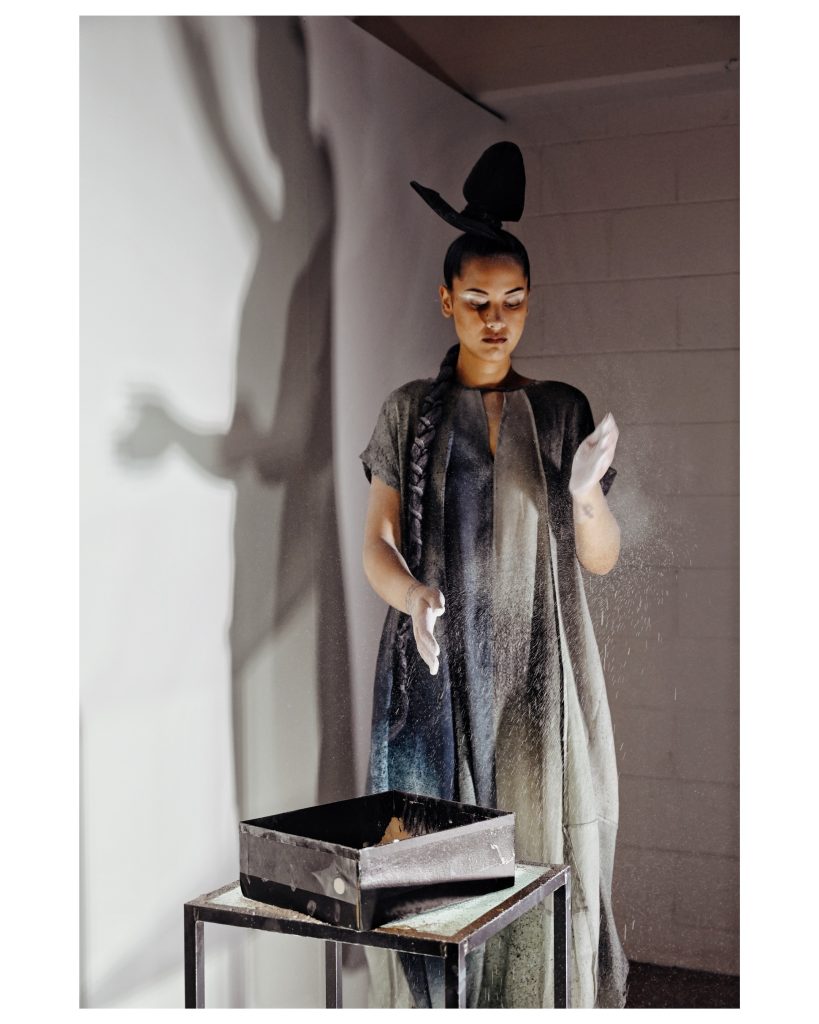
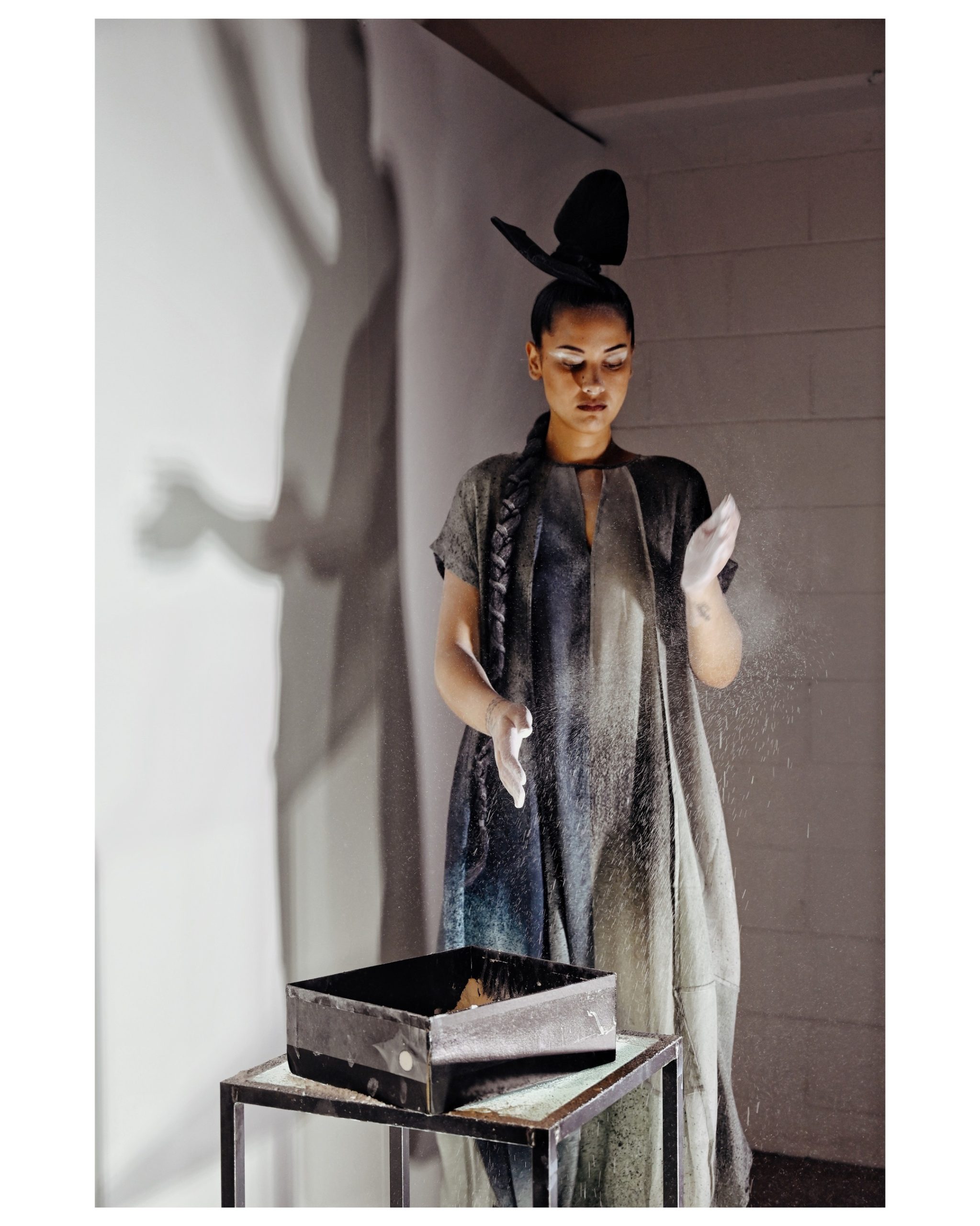
It was Taylor’s Shadowplay, however, that truly transcended convention. Staged as an
immersive installation, the presentation redefined the runway. Models became living
sculptures, each engaged in meticulously slow, hypnotic performances. One duo poured
sand through their fingers with meditative repetition; another floated through the space in a
billowing white gown, her movement an enduring performance of weightless elegance. Their
hair stood as sculptural art—each style deliberately dramatic, framing garments that
explored the interplay of illumination and obscurity. It was, without question, the week’s most
arresting exhibition.
The Rebel Yell: Āhua’s Church of Fashion
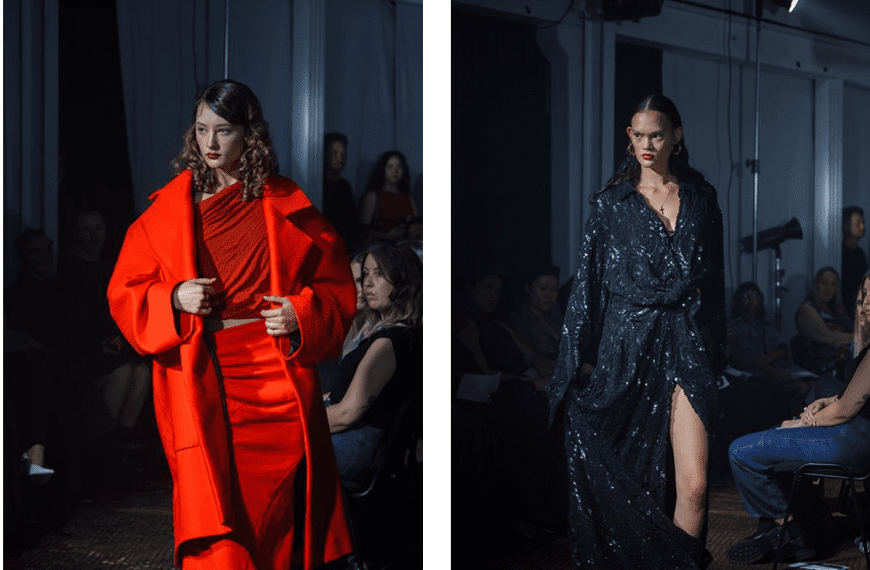
Āhua stood in deliberate opposition: raw where NZFW was refined, intimate where the other
was imposing. Its very name, Te Wiki Āhua o Aotearoa, served as an act of cultural
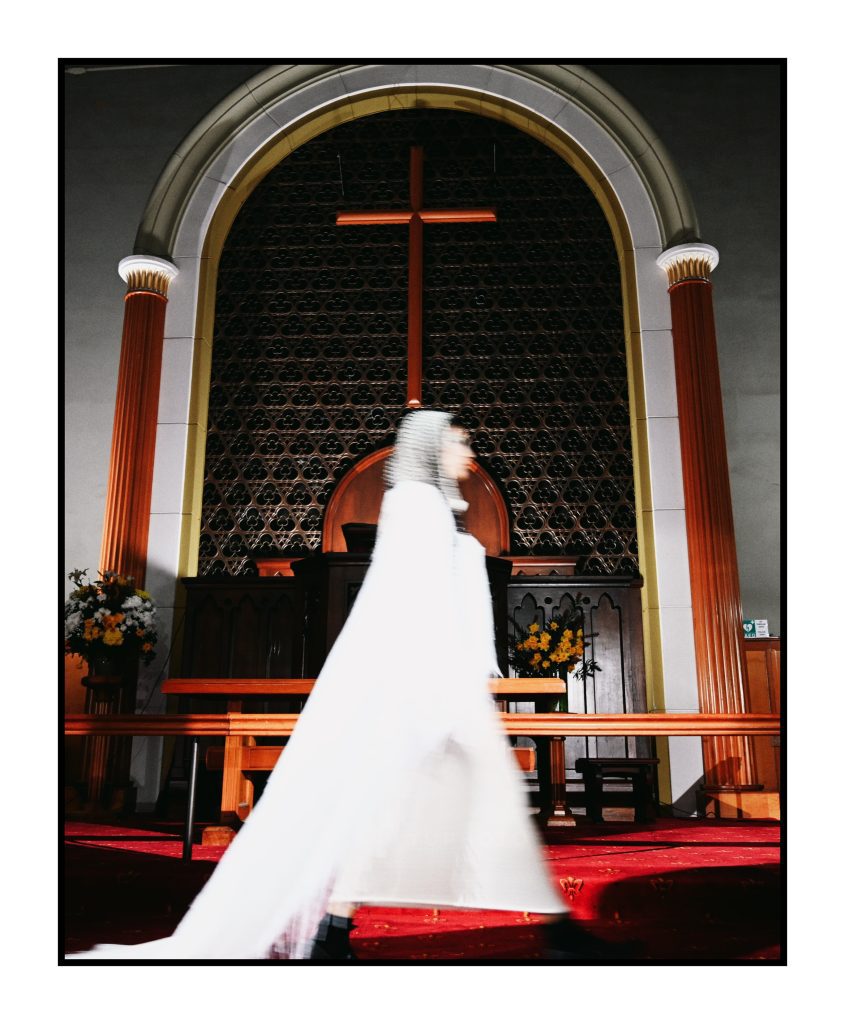
affirmation. The most resonant show was hosted within a Methodist church on Pitt Street—a
subversive masterstroke. With the DJ positioned where the altar traditionally stood, the
space was transformed into a sanctuary of sound and style. The collections that graced the
aisle were nothing short of sublime; each garment appeared as though conceived for
celestial beings attempting—and gloriously failing—to conceal their otherworldly grace.
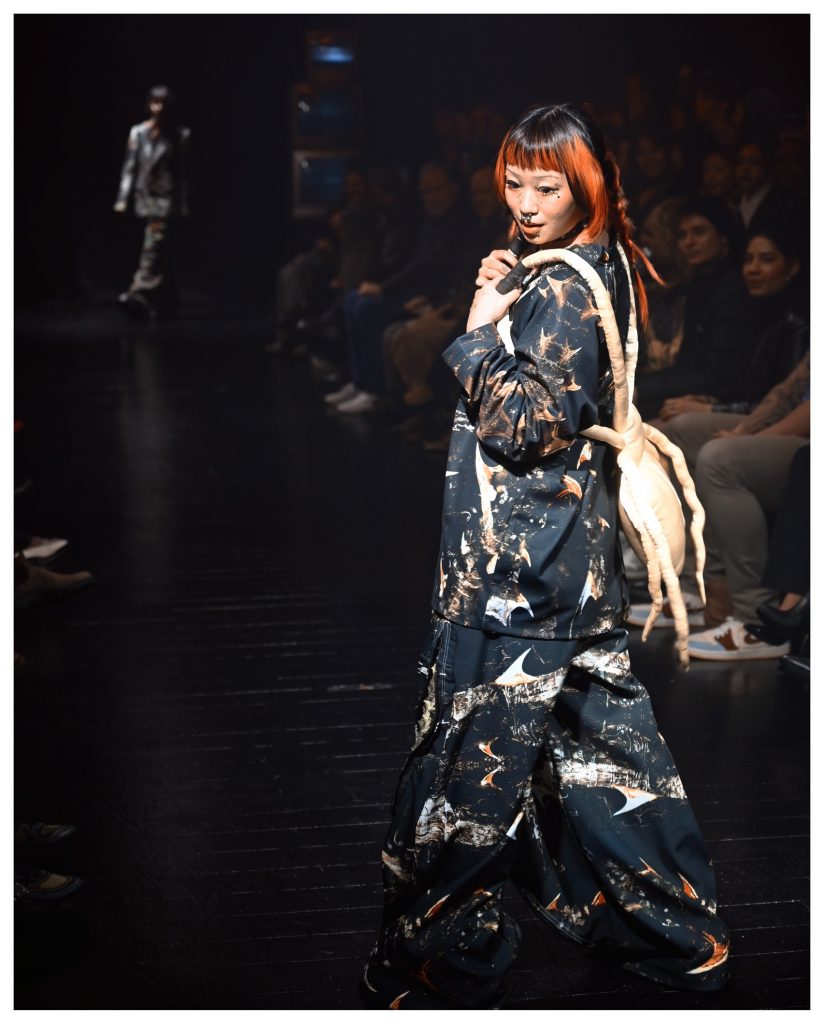
Equally compelling was Awe Mapara (camouflage), an offering from Vandal that drew
inspiration from the native Ngahere. The pieces blurred the line between organic integration
and bold urban statements, challenging perceptions of concealment and display. A particular
delight came at the close, when the designer herself traversed the runway radiant with pride,
clasping an oversized spider bag—a touch of playful genius that encapsulated the
collection’s spirited narrative.
Throughout Āhua, lighting remained intentionally atmospheric—low, moody, and perfectly
aligned with the uncompromising vision of each designer.
The Real Runway: Street Style & Scene
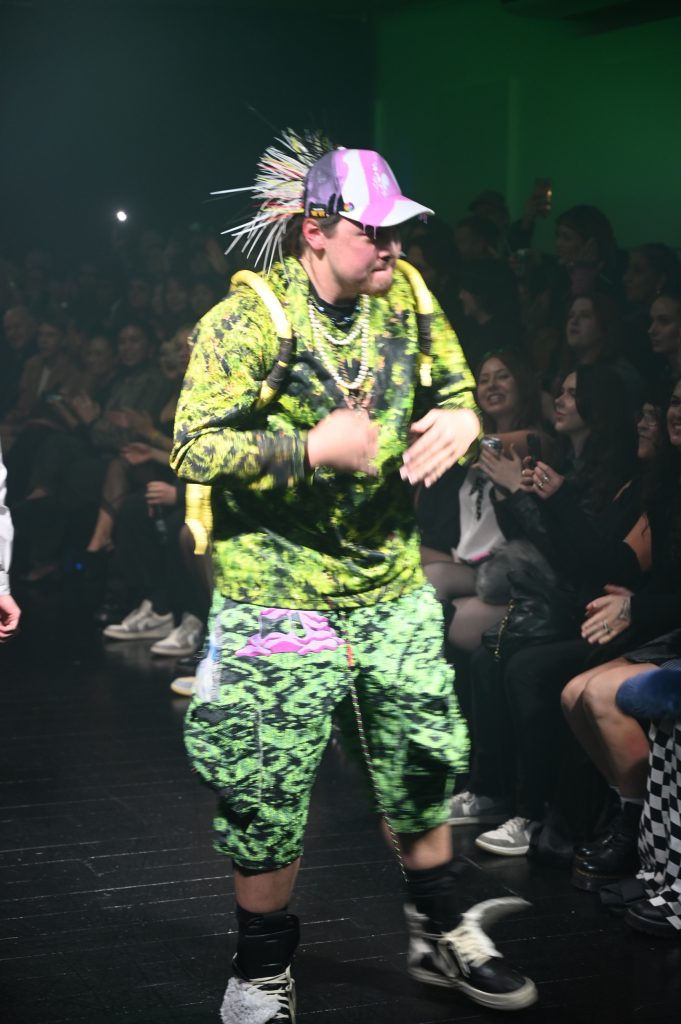
Frequently, the most compelling style was not on the catwalk, but lining it. Observing
renowned fashion influencers in their element offered its own spectacle. Their self-styled ensembles—often more inventive and personally nuanced than the curated samples
backstage—served as authentic testaments to individual creativity. They stood as moving
reminders that true style exists beyond the official program.
Curated Kit & Uncurated Approaches
My approach was intentionally minimalist: a Nikon Z6 II, one prime lens, and a steadfast
240GB card. This curated selection demanded adaptability and presence of mind. Under the
flawless lighting of NZFW, automatic settings sufficed—a practical choice affirmed by
veterans acknowledging the pace of modern runway. Āhua, however, required more nuance.
In those shadowed venues, the limits of auto became clear; the atmospheric grit, while
sometimes compromising technical perfection, lent the images a raw authenticity. That said,
the prevalence of speedlights among seasoned photographers did not escape my notice. I
departed resolved to acquire one—not from necessity, but for the enhanced creative control
it affords.
Networking, much like my kit, was refined rather than relentless. The handful of business
cards I’d commissioned remained largely tucked away. Meaningful connections emerged
organically: a shared power bank when my adapter proved inconvenient, an offering of sushi
from a Melbourne-based photographer, or the silent, knowing glance exchanged with a
fellow artist after capturing an exceptional moment. Introducing myself simply as an
eighteen-year-old there to observe and learn fostered conversations of surprising candour
and insight.
And throughout it all, the most indispensable tools were decidedly analog: a remarkably
resilient water bottle—repeatedly dropped, never defeated—and a well-stocked supply of
tissues and sanitizer.
This week reaffirmed that the most essential instrument is not the camera one holds, but the
perspective one brings.