All Kiwi Women Should Watch Big Girl’s Don’t Cry
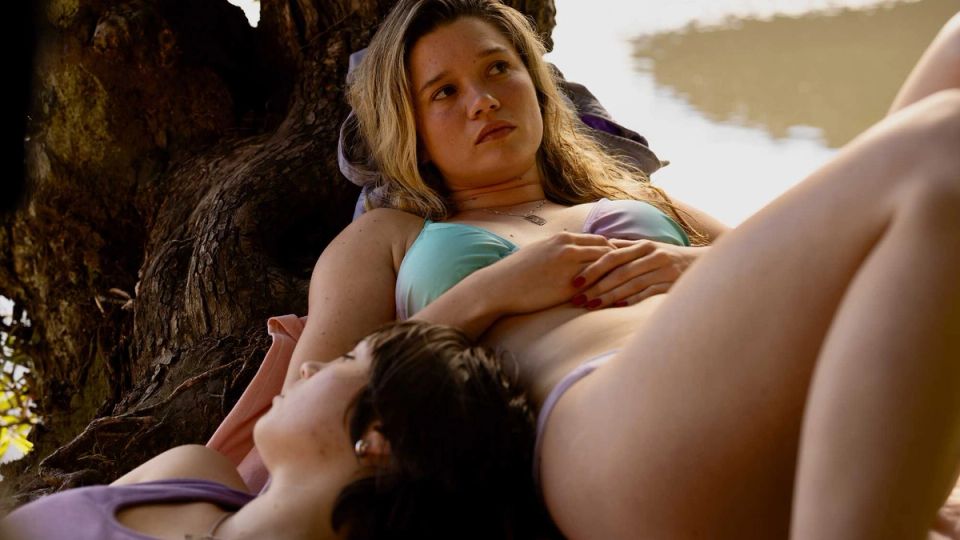
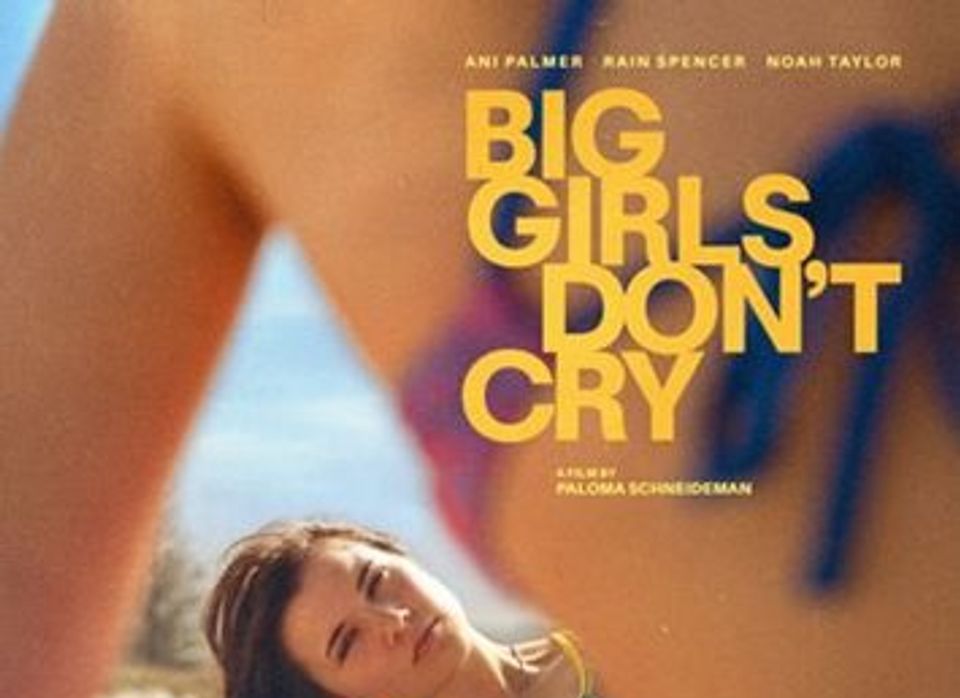
I finally got to see Big Girl’s Don’t Cry, the Kiwi indie film that headlines the NZ film festival. Directed by Paloma Schneideman, in her feature debut and starring Ani Palmer, Rain Spencer and Noah Taylor. Set in a seaside town on the Matakana coast over the summer of 2006, the film follows 14-year-old Sid, who is caught between childhood and adulthood. Desperate to be accepted by a glamorous group of older teens, she keeps reinventing herself, and her efforts to fit in cause more chaos. Things change when her older sister comes home with a magnetic friend, Freya, who stirs sexual feelings Sid can’t yet name.
3 min read
This film hit far closer to home than I expected, and it wasn’t always easy to watch. Seeing aspects of my youth reflected back at me was jarring and really highlighted how fucking awful being a teenage girl can be.
Sid’s struggle for acceptance is something that many 14-year-olds go through, myself included. The film perfectly portrays the intimacy of the creeping isolation many teens feel, though I wasn’t prepared for quite how familiar it would feel. Watching the shy and reserved Sid become overwhelmed by the sexual microaggressions of the older boys, not quite knowing what to do when they jeered “do you spit or swallow?” at her, took me back to my own experience, sitting on a friend’s couch at 13 and being asked the same question I didn’t quite understand. There’s an uneasiness to it at that age that you can’t yet articulate, but you know it feels bad. It warps the relationship you have with your own budding sexuality.
Sid is constantly asked about her sexual history by this group of boys and her two friends, and she lies. She suggests she’s more experienced, which put me right back in the conversations I, too, had. I was constantly asked by boys how far I had gone. Was I easy? Was I a cock tease? Wanting to sound cool, but not wanting to sound like you were a “hoe”. Because hoes had rumours spread about them and were cornered at parties.
I felt my cheeks flush when Sid turned down an older boy and he asked if he could still tell his friends they had hooked up. Because it wasn’t about her, it wasn’t about her comfort, it was always about her being a vessel for the boys to get as far as they could. It took me back to the time I, too, was asked that very question so a guy I knew could save face in front of his mates. So they would stop calling him gay. He was on the receiving end of a toxic culture where he was expected to “bang chicks”, and if he didn’t, he was gay. However, I was expected to pick up the slack, lose a piece of my own autonomy and keep a secret for him at my own cost.
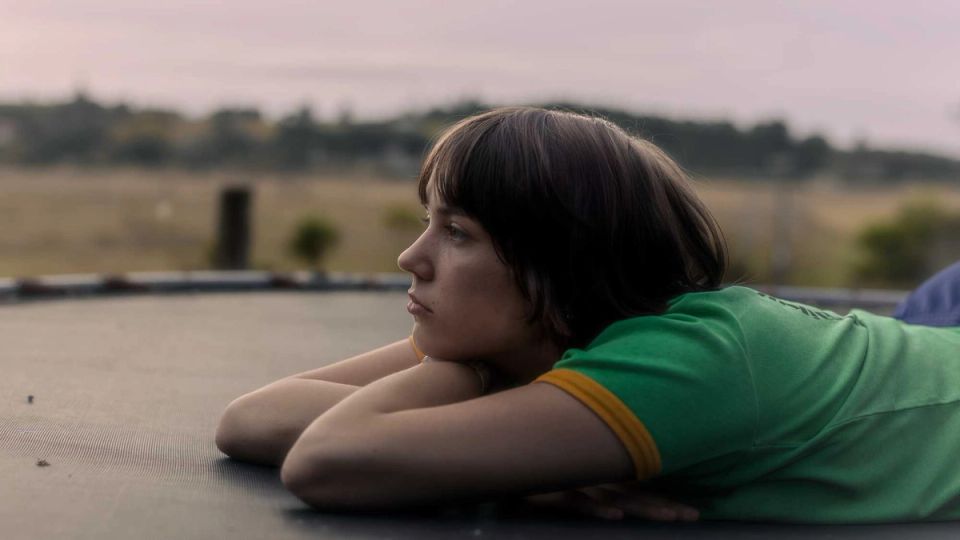
Watching Sid be coerced into something she wasn’t comfortable with by a guy who just wanted to use her body was the most confronting scene. Because that’s what coercion is. It’s sitting on a beach, emotionally vulnerable, and having someone peck at your boundaries until you’re doing something you’re not comfortable with. I’ve been grabbed and kissed by a stranger at beach parties when I was under 16. I’ve been badgered into sex. Most women have.
I felt angry. I felt angry for Sid. I felt angry for myself, and I felt angry for every single woman or girl I’ve ever known. Because we’ve all been there. We’ve all had to learn at too young an age that our sexuality isn’t our own. It belongs to the men and boys who start sexualising and harassing us for sex or sexual acts, even before we come to terms with who we are.
As a Kiwi, it’s unusual to see my own experiences reflected back at me in such a literal way. My exact lifestyle, similar summers spent at similar beaches. Usually there is at least some American, British or even Australian filter for which I see films. Even if I relate to the character, they aren’t in the setting of my life. This was, which was both charmingly familiar and confrontationally raw. Big Girls Don’t Cry is a fantastic film, and its depiction of coming-of-age girlhood has an understated accuracy to it that I’ve never seen in film before.