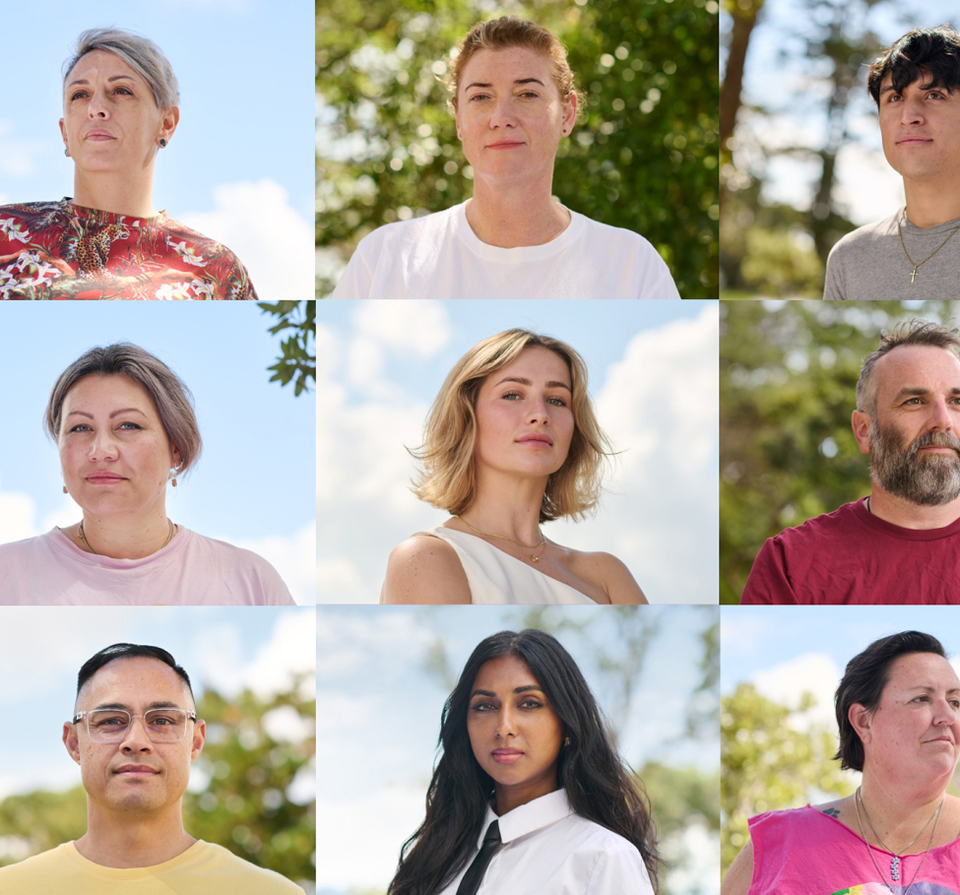
Enough survivors to fill Eden Park twenty times over: Tika is a new way to speak up
Tika is New Zealand's first independent way to report sexual harm, has launched with a free, private and legally supported pathway for adult survivors.
3 min read

Did you know that the number of sexual harm survivors in New Zealand would fill Eden Park twenty times over?
It’s not an exaggeration to say that sexual assault is at a crisis level. About 1 in 4 to 1/3 of adults (roughly 23% to 27% overall, and up to 33% of women) experience sexual assault or violence in their lifetime. Only 6 out of 100 of those reports end in a prison sentence.
Notably, Otago Region, Wellington, and Manawatu-Wanganui Region are the highest places in the country, percentage wise, for sexual assault.
Things need to change in Aotearoa, and that’s why an organisation like Tika is so important.
Tika provides a free legal reporting and representation service for people aged 18 and over who have experienced sexual harm in New Zealand, including historical harm. It covers sexual harm in all contexts, including education, workplaces, sport, community spaces and the home, and includes rape, assault, harassment and online harm.
Clients register through Tika's secure platform and enter a confidential lawyer-client relationship. Their information stays private and won't be shared or acted on without their permission.
The service is also designed to ease the isolation that can stop survivors from speaking up. It identifies where multiple clients have named the same alleged perpetrator. Once a group of three or more clients is formed, each client receives advice from a specialist legal team on their possible options. These include criminal, civil, regulatory, restorative justice, mediation or supported-meeting pathways. Clients stay in control throughout and can pause or withdraw at any time.
Tika was co-founded by lawyer Zoë Lawton and journalist and advocate Alison Mau, and combines legal, technology and advocacy expertise. The name was chosen in consultation with Te Taura Whiri i te Reo Māori, the Māori Language Commission, which confirmed that in this context it means justice, or putting things right.
Mau says the idea came from years of hearing from people who felt they had nowhere safe to go. "Too often, the burden has sat with one person alone, to speak up, to be believed, to understand their options and to carry the risk of coming forward," she says. "But we know that perpetrators rarely harm just one person. It's often a pattern of behaviour that can create a chain of victims over years or decades."
She says Tika is not there to tell anyone what to do. "We know reporting sexual harm is deeply personal, and for many people it may take years before they feel ready. Some people may never choose to take legal action, and that choice will always be theirs."
The launch has been welcomed by sexual harm sector organisations. Kathryn McPhillips, executive director of HELP Auckland, says access to specialist legal advice is a critical missing piece for survivors. They can be asked to make complex and deeply personal decisions about counselling and medical records, prior sexual history, access to their devices, name suppression and reviews of charging decisions, she says, yet cost and other barriers leave many without independent legal advice.
"We strongly support Tika's plans to address this urgent gap and help ensure survivors are better supported to understand and exercise their rights," says McPhillips.
Tika is made up of three entities: a registered charitable trust, an incorporated law firm and an operating company. Tika Charitable Trust manages charitable fundraising, education and public engagement. Tika Legal Limited provides legal services to clients, while the operating company works with customers, including private sector organisations and government agencies. Tika says this model shares the cost of the legal service across the philanthropic, private and government sectors, which keeps the service free for survivors.
Development began in 2024 with funding from the Clare Foundation, which supported the organisation to develop its operating model and online platform.
Mau's message to survivors is simple: "When you're ready, tell Tika."
More information is available at tika.org.nz.