Invisible Systems: Why the Best Graphic Tees Are Designed Upstream
If you think a graphic tee is just a shirt with a compelling image, you’re looking at the least important layer. In the world of wholesale graphic tees, what you see is only the surface.
5 min read
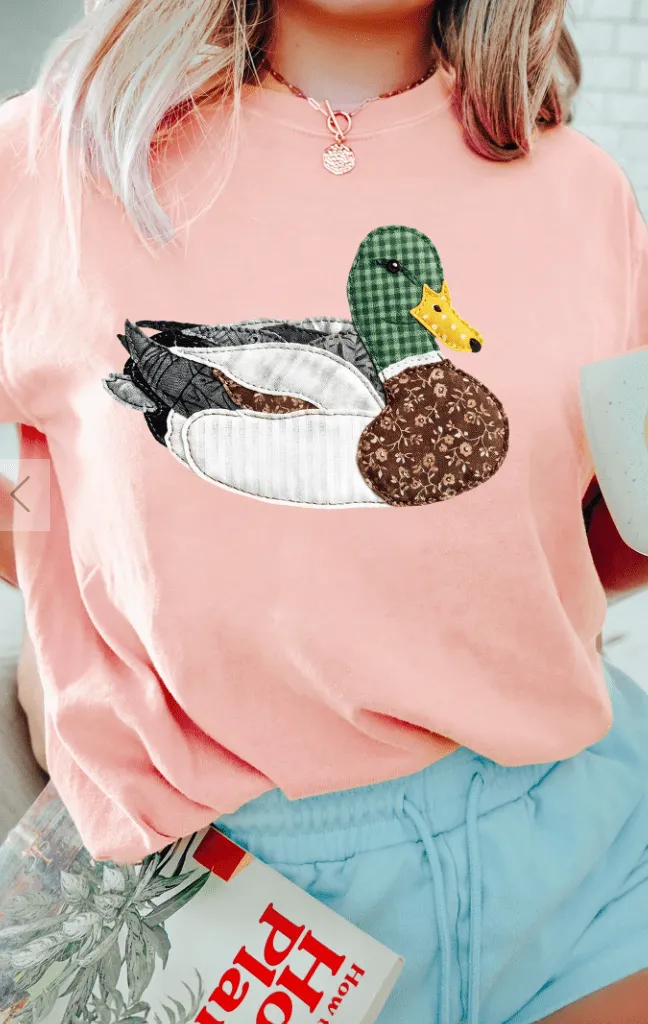
If you think a graphic tee is just a shirt with a compelling image, you’re looking at the least important layer.
In the world of wholesale graphic tees, what you see is only the surface. Behind every successful piece is a system—material choices, print methods, sizing standards, and production constraints—that determines whether a design actually survives in the real world. The image is simply the visible
outcome. The real design happens upstream.This becomes obvious the moment you compare how a graphic looks on a screen versus on a garment. Sharp digital artwork can turn muddy on cotton.
Fine details disappear. Colors shift depending on fabric tone. What felt precise in isolation can feel awkward once it interacts with weight, texture, and fit. That’s the first shift: design is not separate from production. It is defined by it.
Why Some Tees Fall Apart, and Others Get Better
You don’t need technical knowledge to see the difference. Just compare two common types of graphic tees. One leans heavily on intricate detail—fine lines, layered gradients, subtle
transitions. On a screen, it looks impressive, even premium. But over time, reality sets in. After a few washes, the print starts to show stress: lines lose sharpness, gradients break unevenly, and the overall image begins to feel fragile.
The other takes a different approach. The graphic is more deliberate—fewer colors, stronger shapes, cleaner spacing. At first, it might seem simpler. But after repeated wear and washing, something interesting happens: instead of degrading, the print softens and settles into the fabric. It starts to feel like part of the garment rather than something sitting on top of it.
The difference isn’t about taste. It’s about alignment with how the product is actually made and used. One was designed for the screen. The other was designed for real life.
The Pressure of Scale
In small-batch or one-off pieces, complexity is easy. Intricate graphics can exist because they don’t need to be reproduced perfectly.
But in wholesale production, repetition becomes the filter, and repetition is unforgiving.
Across hundreds or thousands of units:
Fabric batches vary
Ink behaves slightly differently each run
Wash cycles introduce long-term stress
Anything that cannot hold its structure across these conditions gets exposed.
Over time, this pressure shapes a distinct aesthetic language:
Clarity over decoration
Structure over noise
Impact over intricacy
The strongest graphic tees are not the most complex. They are the most
resilient.
A Counterintuitive Truth: Precision Can Be a Weakness
It’s natural to assume that more detail equals better design. In practice, the
opposite is often true.
Overly precise graphics are fragile.
Fine lines break under stress
Subtle gradients shift across fabrics
High-detail compositions amplify production inconsistencies
What looks “premium” digitally can feel cheap physically—because it cannot
survive translation.
Resilient design isn’t about lowering quality. It’s about knowing where
precision adds value—and where it becomes a liability.
Another Unexpected Reality: “Better” Fabric Isn’t Always Better
Material choice follows the same logic.
Heavier, softer, premium cotton can be excellent—but it can also expose
flaws:
Smooth surfaces make print inconsistencies more visible
Softer fibers may not hold certain inks cleanly over time
Meanwhile, a slightly more structured or textured cotton can:
Grip ink more consistently
Mask minor imperfections
Deliver a more stable visual result after washing
In some cases, a “less premium” fabric produces a more durable and
coherent outcome.
Again, it’s not about choosing the best component—it’s about aligning
components.
Where Good Tees Are Actually Won
The best graphic tees are built through alignment:
The print sits naturally on the fabric, not on top of it
The color palette works with the garment tone, not against it
The placement relates to the body, not just a flat surface
The silhouette supports the graphic’s visual weight
A boxy cut can give a graphic space to breathe. A slim fit can compress and
distort it.
Most people don’t consciously analyze these details—but they feel them
immediately.
A well-resolved tee feels coherent. An unresolved one feels slightly off, even if
the artwork itself is strong.
A Simple Way to Evaluate a Graphic Tee
Instead of asking, “Do I like this graphic?”, use a three-part check:
- Graphic vs Fabric
Does the print feel integrated, or does it sit awkwardly on the material? - Graphic vs Fit
Does the placement make sense on the body? - Graphic vs Lifecycle
What happens after 10 washes? Does it improve, or fall apart?
The best tees pass all three.
Consistency Is the Real Brand Identity
A trend can attract attention. But only production-backed design builds trust.
When a tee:
Maintains its structure after repeated wear
Ages in a way that feels intentional
Delivers consistent sizing and print quality
That consistency becomes part of the brand’s identity.
And consistency, especially in wholesale graphic tees, is never accidental. It’s
the result of a system.
Material selection affects drape. Fiber composition affects print behavior. Even
timing affects perception—strong design delivered inconsistently loses impact,
while simpler products delivered reliably build momentum.
You’re not just designing a shirt—you’re designing a pattern of expectation.
The Real Job of the Designer
You’re not just creating an image.
You’re creating something that can survive:
Production
Repetition
Wear
Time
—and ideally become better because of those conditions.
That means designing with constraints, not around them.
A graphic tee is never just a graphic tee. It’s a negotiation between idea and execution, between creativity and constraint, between what looks good once and what continues to work ove
time. The brands that understand this don’t just produce shirts—they produce
clarity. And in a crowded market, clarity is what lasts.