Menopause Skin and Hair Changes: What to Expect and How to Adapt Your Routine
Menopause is often discussed in terms of hot flushes, disrupted sleep, and changing moods. Its effects on skin and hair can be just as noticeable. A familiar moisturizer may suddenly feel inadequate, the scalp can become more visible, and skin that was once predictable may begin reacting in unexpected ways.
5 min read
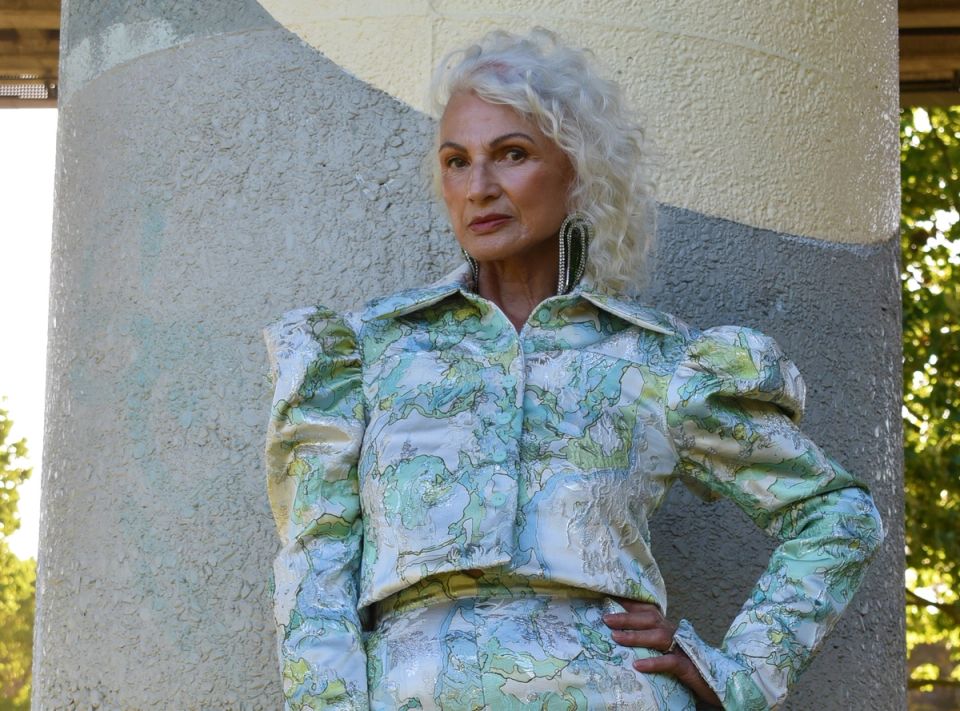
These changes can affect confidence, but understanding why they occur makes them easier to address. Rather than treating every new concern separately, it helps to see skin and hair changes as part of a wider hormonal transition.
When menopausal changes can begin
Menopause is diagnosed after 12 consecutive months without a menstrual period, but symptoms frequently appear earlier. Perimenopause generally begins three to five years before menopause. During this stage, periods may become irregular, and symptoms such as restless sleep or night sweats can emerge.
Many women begin this process in their 40s or 50s, with symptoms commonly appearing between the ages of 45 and 55. The years following menopause are known as postmenopause.
There is no single menopausal experience. The symptoms, their severity, and the order in which they appear vary considerably. Skin and hair changes may develop gradually, making them easy to dismiss until they become more pronounced.
Why skin may suddenly feel different
Consultant surgeon Dr. Julia Sen says, "Menopausal skin can become thinner as oil production drops. This mix can make the skin feel dry, dull and more sensitive than before. What once felt fine may start to sting or just not feel like enough, and you may find yourself less able to tolerate exposure to irritating ingredients.
A changing skin barrier can also produce an apparently contradictory problem: adult acne. Dryness doesn’t necessarily mean breakouts will disappear. Some women find themselves managing blemishes and sensitivity at the same time, so aggressive treatments intended to dry out spots may be particularly uncomfortable.
These shifts call for a more measured routine. The aim is not to overwhelm unsettled skin with multiple active products. A gentler approach, centered on supporting moisture and avoiding unnecessary irritation, may be easier to maintain as the skin adjusts.
Collagen loss changes more than wrinkles
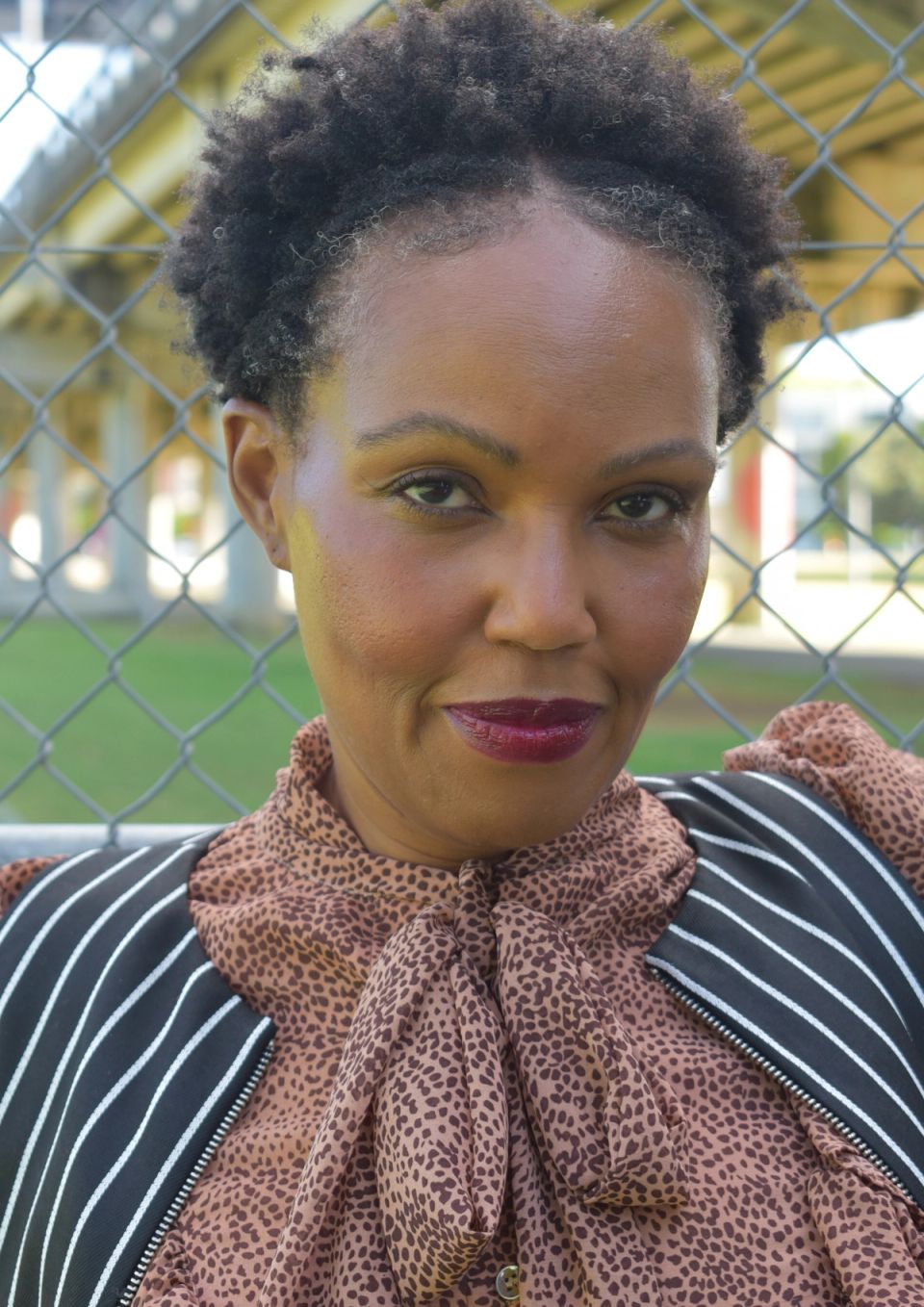
The visible effects of menopause are not limited to fine lines. Non-Medical Independent Nurse Prescriber, Julia Ogilvie says women may notice greater laxity as levels of collagen and elastin decline. These structural proteins contribute to the firmness, resilience, and plump appearance of skin.
Changes under the skin are important too. "Facial fat pads tend to shrink and descend, and this can alter the contours of the face," says Dr. Sen. Jowls can become more prominent, wrinkles can deepen, and changes around the eyes can include lower-eyelid bags, dark circles, or drooping of the upper lids.
This distinction is useful because it explains why simply applying a richer cream may improve comfort without fully addressing every visible concern. Menopausal skin can be experiencing dryness, reduced firmness, and changing facial contours simultaneously.
Some skincare brands are developing products around these broader concerns. Calecim Professional offers cosmeceutical formulas intended to encourage cell turnover and the production of structural proteins associated with plumpness and vitality. Such products are best considered within a consistent routine rather than as substitutes for medical advice or wider menopause support.
Hair may become drier, finer or less dense
Hair changes can be especially distressing because they affect both texture and coverage. Dr. Sen notes that hair may begin to thin or turn grey, while Ogilvie adds that it can become dry and brittle. In some cases, thinning becomes pronounced enough for bald spots to appear.
A practical response begins by noticing what has changed. Increased breakage, generalized thinning, and distinct areas of hair loss don’t always look the same, even if they occur in the same period. Sudden or worrying changes should be professionally assessed, not seen as inevitable aspects of aging.
Hair specialist Dr Somji Munir uses Calecim Professional’s Advanced Hair System, which contains the brand’s proprietary PTT-6 formulation. He describes its stem cell proteins as helping to reinvigorate dormant hair follicles and has used the system with patients experiencing hair-loss concerns around menopausal age.
Topical care is one possible part of the picture, but daily handling matters as well. When hair feels more brittle, it makes sense to recognize that its needs have changed rather than continuing to treat it exactly as before.
Sleep and lifestyle can shape the experience
Skin and hair changes do not happen in isolation. Ogilvie estimates that 60 to 70 percent of her menopausal patients experience insomnia. Hot flushes may also interrupt sleep, leaving women tired and irritable. Poor rest can make an already demanding transition feel considerably harder.
Ogilvie recommends accessible ways to unwind, including meditation, reducing screen time before bed, walking outdoors, massage, and soothing milky drinks. She also suggests walking for 30 to 45 minutes, three to five times a week, as a free form of exercise that many people find sustainable.
Her nutritional guidance includes regular meals, additional protein for fullness and muscle strength, and low-glycemic carbohydrates such as pulses, oats, pasta, quinoa, and brown rice. She also recommends phytoestrogen-rich foods, including soy milk, yogurt, chickpeas, butter beans and linseed, which may help reduce sweating and lower cholesterol.
For women considering hormone replacement therapy, professional guidance matters. Ogilvie encourages patients to explore HRT during perimenopause alongside appropriate lifestyle changes. An empathetic GP or specialist clinic can help assess symptoms and discuss suitable options.
A change of strategy, not a loss of identity
Menopausal skin and hair often require a different kind of attention: less reliance on old routines, closer observation of new sensitivities, and realistic expectations about what topical care can achieve. Persistent hair loss, severe skin symptoms or concerns affecting daily life should be discussed with a qualified healthcare professional.
This stage can also bring relief from periods and contraception, as well as an opportunity to give personal well-being greater priority. The changes may be visible, but they do not need to be faced in silence. With informed skincare, appropriate hair support, sustainable habits, and medical help when needed, menopause can become a period of adjustment rather than one of resignation.